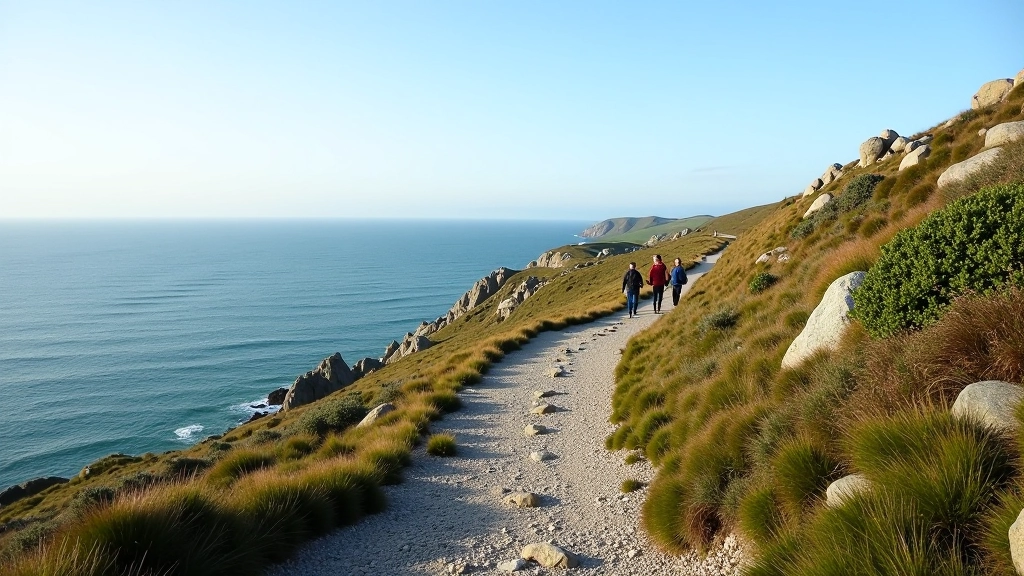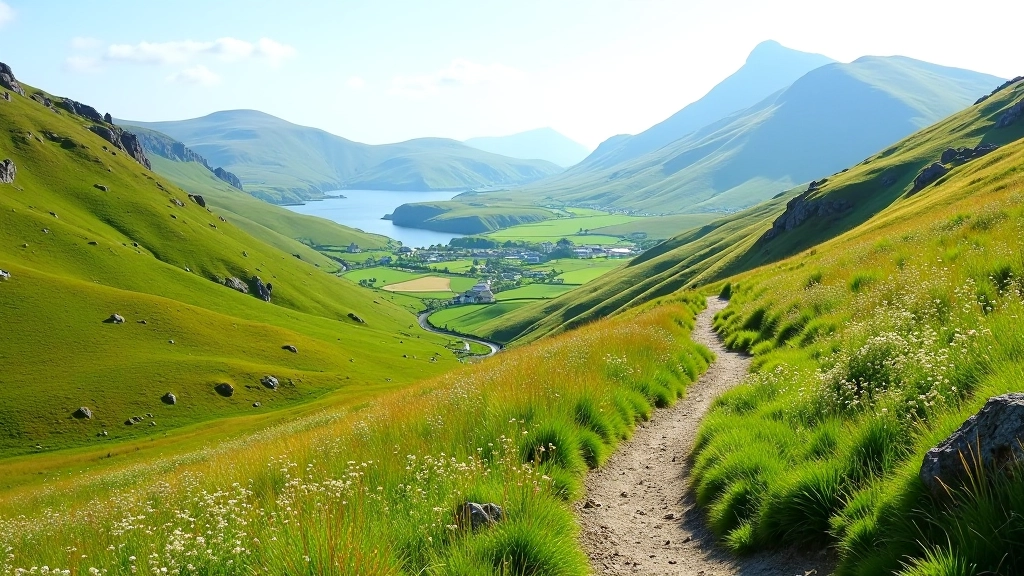
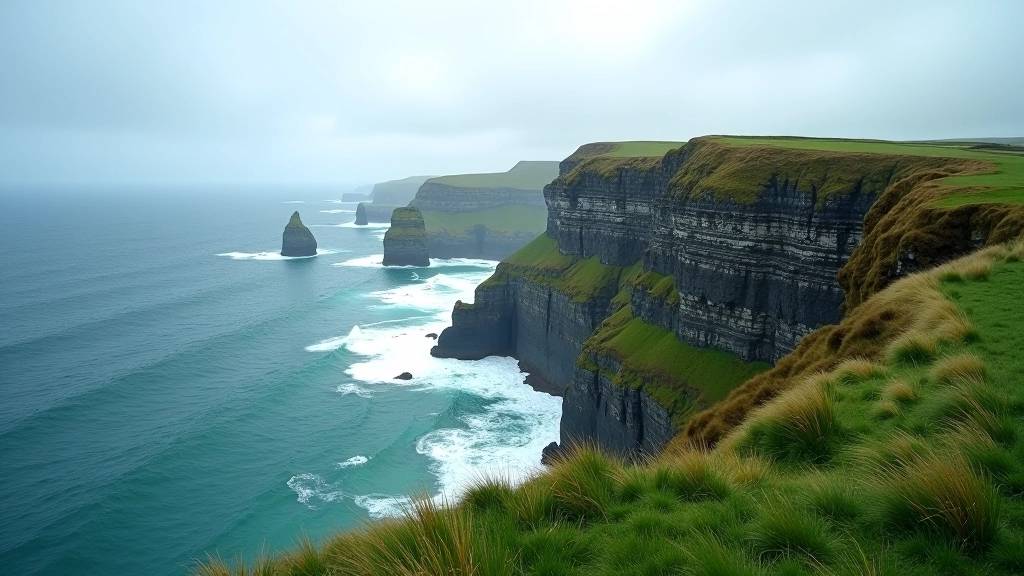
Wicklow Mountains: Seasonal Walking Guide and Tips
Navigate Ireland's most beautiful mountain range across all seasons. Includes route recommendations, weather considerations, and what to expect each time of year.
Why Wicklow's Mountains Deserve Your Time
The Wicklow Mountains are Ireland's oldest mountain range, and they're genuinely spectacular no matter when you visit. Thing is, each season brings completely different challenges and rewards. Spring's muddy trails turn into summer's golden paths, autumn's colors fade to winter's stark beauty. You'll notice the landscape transforms every few weeks.
We've spent years walking these trails in all conditions. Here's what actually works — the real conditions you'll face, not the glossy tourist version. From the high passes of Tonelagee to the quiet valleys around Glendalough, we'll show you how to walk smart across every season.
Quick Season Overview
- Spring: Muddy but alive. Expect wet boots and incredible wildflowers.
- Summer: Busy trails, excellent weather. Plan early starts to avoid crowds.
- Autumn: The best season. Stable weather and stunning colors everywhere.
- Winter: Icy, slippery, shorter daylight. Only for experienced walkers.
Spring Walking: March to May
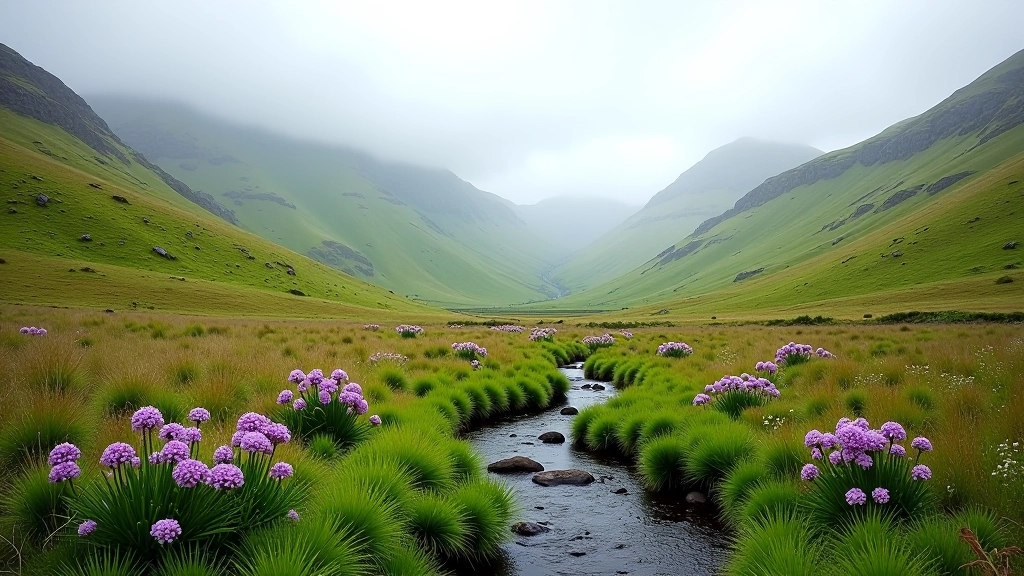
Spring in the Wicklow Mountains isn't for those worried about mud. The trails are waterlogged from winter snowmelt and constant rain, but the rewards are worth it. You'll see the mountains come alive — rhododendrons burst into shocking pink and purple, and the streams run with energy.
Best trails for spring: The Wicklow Gap is spectacular once the snow melts (usually late March). Tonelagee gets accessible in mid-April. Glendalough's lower valley trails are passable by early March. Start early — daylight ends around 6pm in March and 7:30pm by May.
Spring Essentials
- Waterproof boots with proper ankle support (mud's deeper than you think)
- Gaiters — seriously, they make a difference
- Two pairs of socks minimum (spare dry pair halfway through)
- Rain jacket that actually works (tested on wet days before going)
Summer Walking: June to August
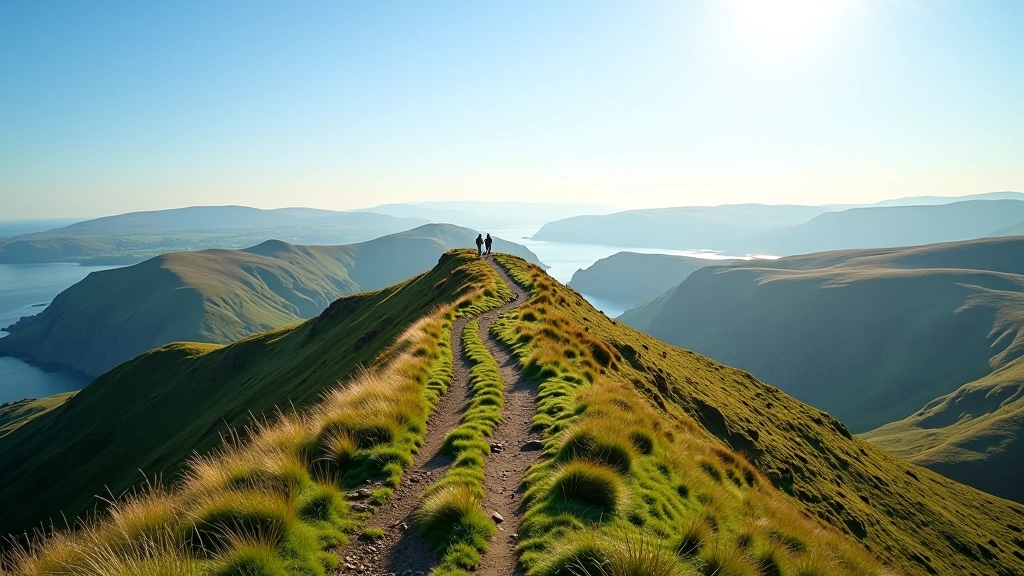
Summer transforms the Wicklow Mountains completely. The trails dry out, the weather cooperates (mostly), and suddenly everyone wants to be here. You'll see groups of 20+ people on popular routes like Tonelagee and Lugnaquilla. It's busy, but it's also the most reliable season for solid walking.
Daylight stretches until 9pm in July, which is brilliant. You can start at 4pm and still have solid hours of walking. The temperature stays between 15-18C at summit level, even when Dublin is 22C. Wind picks up in afternoons — start early to avoid afternoon gusts on exposed ridges.
Popular summer routes: Lugnaquilla (from Barravore car park, 6-7 hours round trip) is doable in summer conditions. Scarr and Mullaghcleevaun make an excellent 5-6 hour loop from Glendalough. The Wicklow Gap walk is dry and accessible by mid-June.

Autumn Walking: September to November
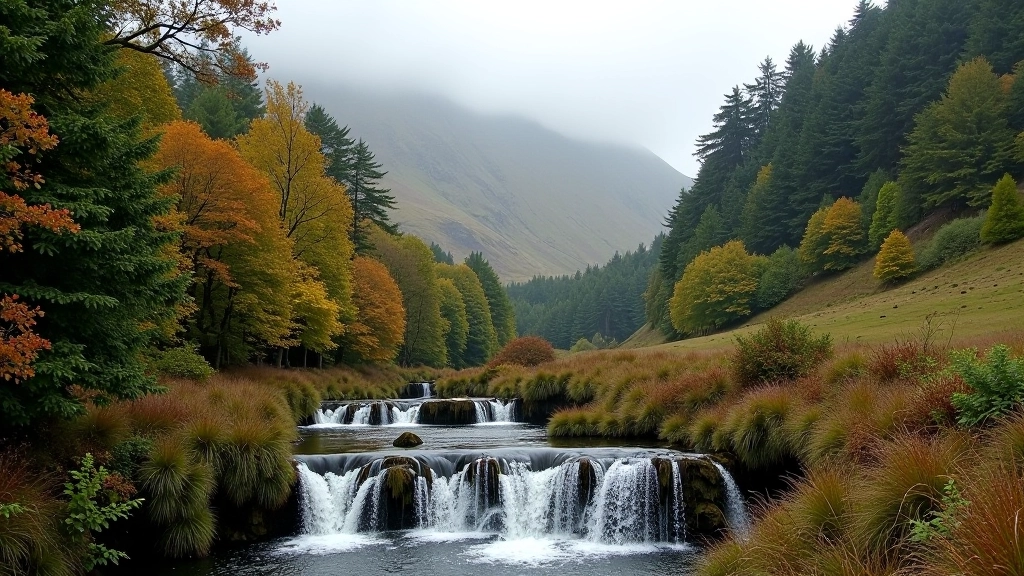
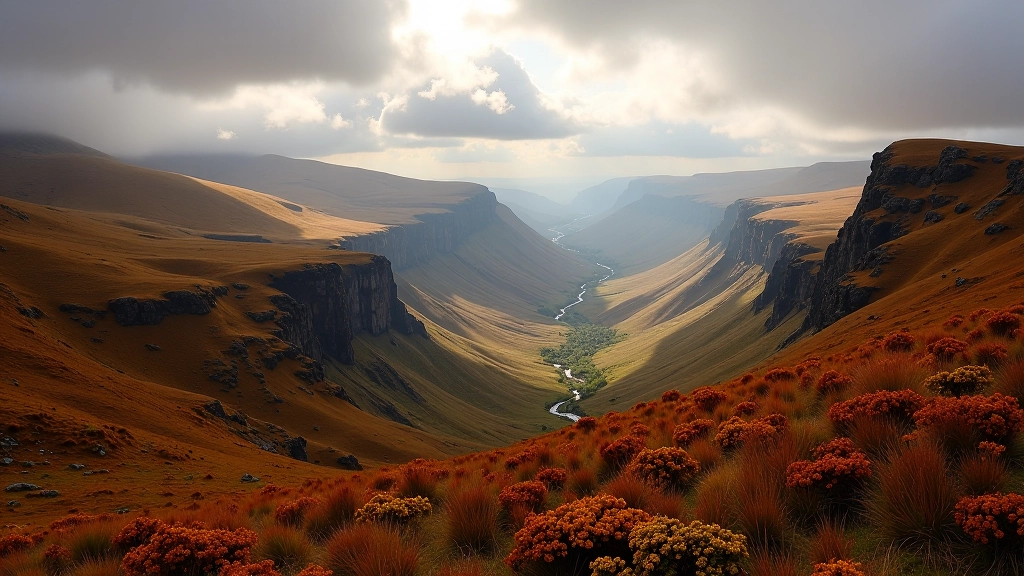
Honestly, autumn is the best time to walk Wicklow. The crowds thin out after August, the weather stabilizes, and the light becomes incredible. You get September's lingering warmth with October's stunning colors. The mountains turn gold and copper — it's genuinely stunning.
Temperatures sit around 12-15C, which is perfect walking temperature. You don't overheat climbing, and you're not freezing at the top. Wind becomes more predictable — strong mornings, calmer afternoons. Rain happens (this is Ireland), but it's usually shorter bursts rather than all-day downpours.
"We've walked these mountains in every season, and autumn always feels like the mountains at their best. Clear enough to see 30km views, stable enough that weather won't ruin your day, and quiet enough that you actually hear the streams."
— Local walking guides, Glendalough
Winter Walking: December to February
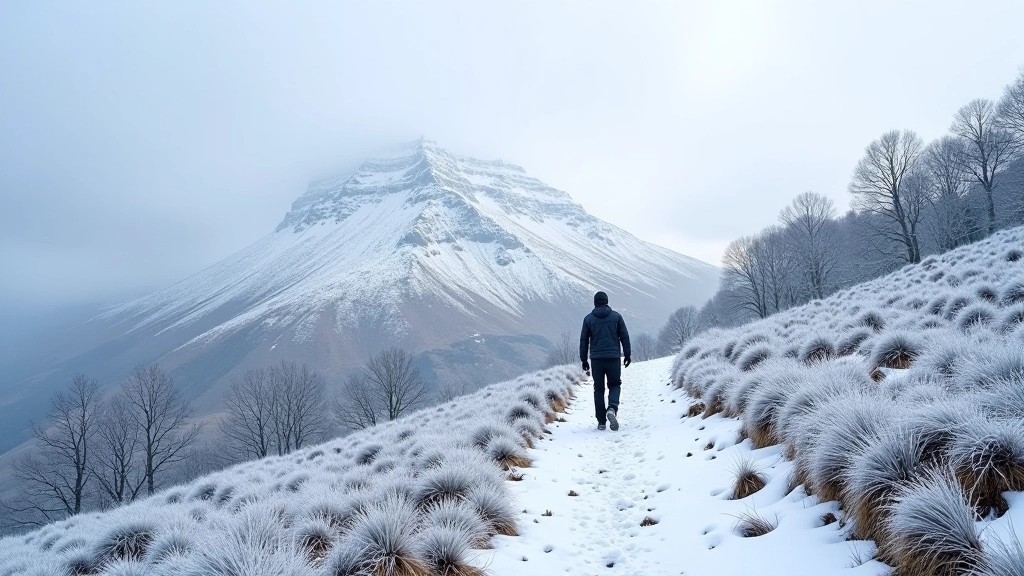
Winter is when Wicklow becomes genuinely challenging. Don't underestimate it. Ice forms on north-facing slopes by November, temperatures drop to 2-5C at summit level, and daylight disappears by 4:30pm in December. You get maybe 6 hours of useful daylight, and half of that is dim.
Snow doesn't stick often — maybe 3-4 times per winter — but when it does, the mountains transform into something alpine. Ice is the real enemy. Streams freeze solid. Exposed ridges become genuinely dangerous in wind. This isn't beginner territory.
Winter Walking Requirements
Only attempt winter walks if you're experienced in mountain conditions and carrying proper equipment. Microspikes or crampons aren't optional — they're essential on icy slopes. Tell someone your route and expected return time. Carry a headtorch (daylight fails fast). Winter rescues in the Wicklow Mountains take hours.
Practical Tips for Every Season
Weather Forecasting
Mountain weather changes fast. Check the forecast the morning of your walk, not the night before. Mountain-specific forecasts (not just general weather) give you wind speed and cloud cover — critical information. Don't rely on Dublin's weather.
Starting Early
Every season benefits from an early start. Summer crowds thin out if you're on the trail by 7am. Autumn light is golden in the morning. Winter daylight is limited. Early starts also give you buffer time if something goes wrong.
Layers Always
The mountains are always colder and windier than the valleys. Even in summer, bring a warm layer. You're not trying to look stylish — you're trying to stay warm. Temperature drops roughly 2C for every 300m of elevation gain.
Navigation Matters
Bring a map and know how to use it. GPS is helpful but not foolproof. Fog rolls in fast in the Wicklow Mountains. The valleys all look similar. A paper map and compass work when batteries die.
Water and Snacks
You'll be surprised how much energy walking uphill takes. Bring more water than you think you need. Energy bars, nuts, and fruit work better than chocolate (melts in pockets). Don't skip eating — hangry walkers make bad decisions.
Know Your Limits
It's not shameful to turn back. Bad weather, wrong boots, or just feeling off — all are valid reasons to stop. The mountains will be there next week. Injuries from pushing through exhaustion won't heal as fast.
Important Disclaimer
This guide provides educational information about seasonal walking in the Wicklow Mountains. Mountain walking involves inherent risks including changing weather, challenging terrain, and physical exertion. We don't guarantee specific conditions or outcomes. Always check current weather forecasts, bring proper equipment, and consider hiring a qualified guide for winter walks or unfamiliar routes. You're responsible for your own safety and should consult experienced walkers or local guides before attempting any route, especially in challenging seasons.