Cliffs of Moher: A Complete Walking Guide
Discover the iconic 700-foot cliffs with detailed trail information, safety tips, and the best viewpoints for photography and exploration.
Why the Cliffs Matter
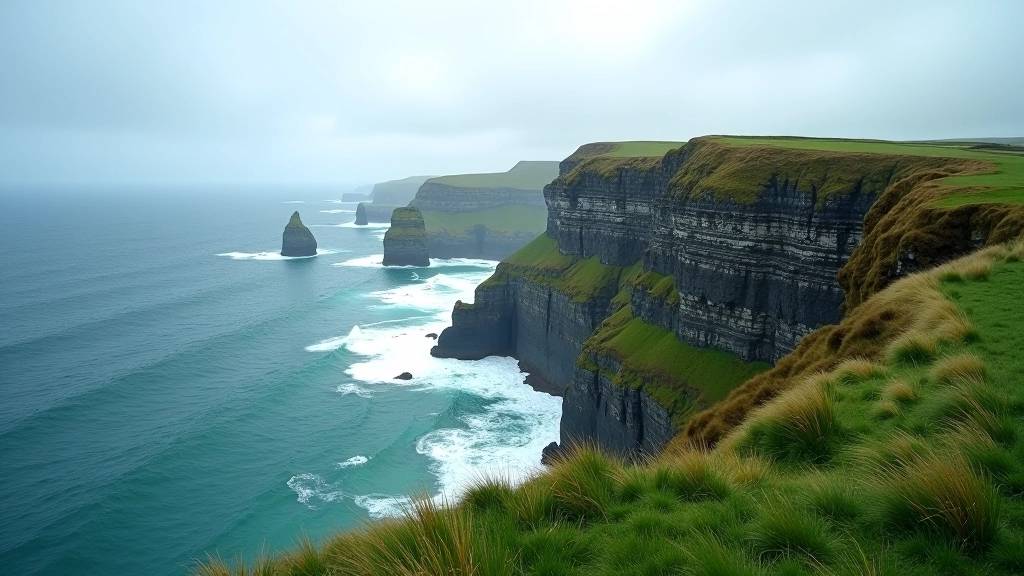
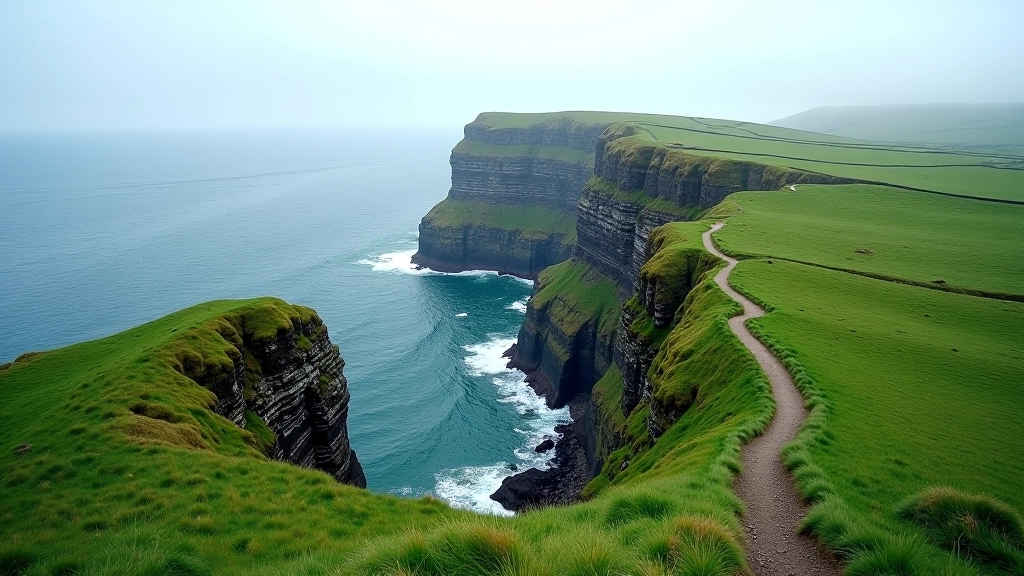
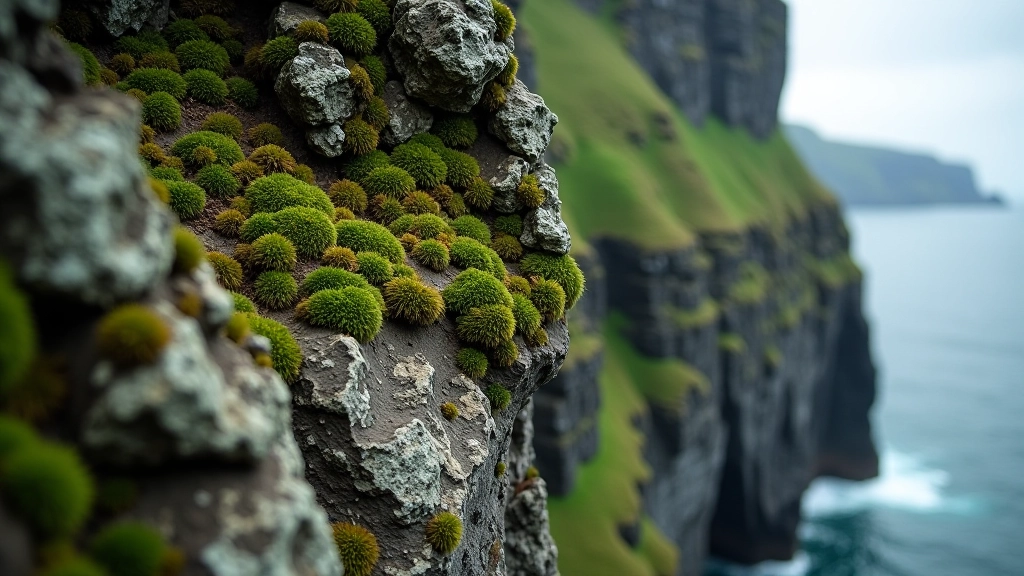
The Cliffs of Moher stretch for nearly 9 kilometres along County Clare's southwestern edge. You'll find yourself standing 700 feet above the Atlantic, with views that stretch to the Aran Islands on clear days. It's not just the height that makes them special — it's the geology. These cliffs tell the story of 300 million years of Earth's history, layered in bands of sandstone and shale. We've walked this route dozens of times, and honestly, the experience changes depending on the season, time of day, and weather. That's what makes it worth exploring properly.
The Main Trail Route
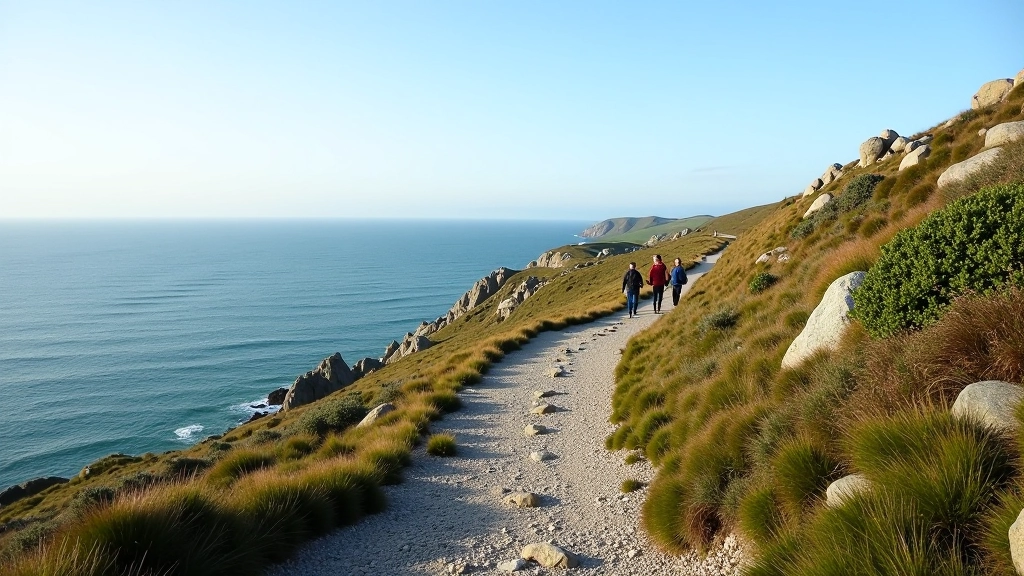
Most people start at O'Brien's Tower, the circular stone tower you'll see from the car park. From there, you can walk in either direction along the cliff-edge path. The western route takes you toward Hag's Head (about 5 kilometres), while the eastern path heads toward Doolin (roughly 6 kilometres). Don't feel pressured to do the full distance. Plenty of walkers cover just 2-3 kilometres and call it a day.
Key Facts
- Total cliff length: 8.3 kilometres
- Maximum height: 214 metres (702 feet)
- Best visited: May to September
- Walking difficulty: Easy to moderate
- Average completion time: 2-4 hours
Safety First: What You Need to Know
Here's the straight truth: people die on these cliffs. Not regularly, but it happens. Most accidents aren't from slipping on the path itself — they're from people going beyond the marked trail, trying to get closer to the edge for photos, or ignoring weather warnings. The path is actually well-maintained and not technically difficult. The danger is in making poor decisions.
Essential Safety Steps
- Stay on the marked path at all times. The fence isn't decoration.
- Check weather before you go. Wind speeds above 40 mph make walking dangerous.
- Wear proper footwear with grip. These cliffs get wet and slippery.
- Don't chase photos at the cliff edge. No photo is worth your life.
- Watch children constantly. They move fast and don't understand danger.
- Bring water and snacks. The walk takes longer than you think.
The Best Viewpoints for Photography
Photography is why most people come here. We've got good news: you don't need to go far to get stunning shots. The first 500 metres west from O'Brien's Tower gives you angles that look professional-quality. Here's where the magic happens:
Hag's Head Section
The western terminus of the cliffs. The rock formations here are jagged and photogenic, especially in golden hour light (one hour before sunset). Wind is typically stronger here, so come prepared.
O'Brien's Tower Base
The tower itself is 18 metres tall and dates to 1835. Climb it for panoramic views across the Atlantic. The queue can be long in summer, but it's worth 10 minutes of your time.
Eastern Trail (Doolin Direction)
Less crowded than the western side. The cliffs here are slightly lower but offer excellent vantage points for capturing the full cliff profile. You'll see fewer tourists here.
Practical Information You'll Actually Use
We've compiled the details that matter when you're actually planning the visit. Forget generic tourist info — here's what real walkers need.
Getting There
The visitor centre car park is the standard starting point. It's 6.5 kilometres south of Doolin village and well-signposted. Public transport is limited — you'll need a car or tour bus. Parking fills quickly from June to August; arrive by 10 AM for a better chance.
Best Time to Visit
May and September offer the best balance of decent weather and fewer crowds. July and August are busy but guaranteed better conditions. Winter brings dramatic storms and lower light. Spring (April-May) shows wildflowers along the path.
What to Bring
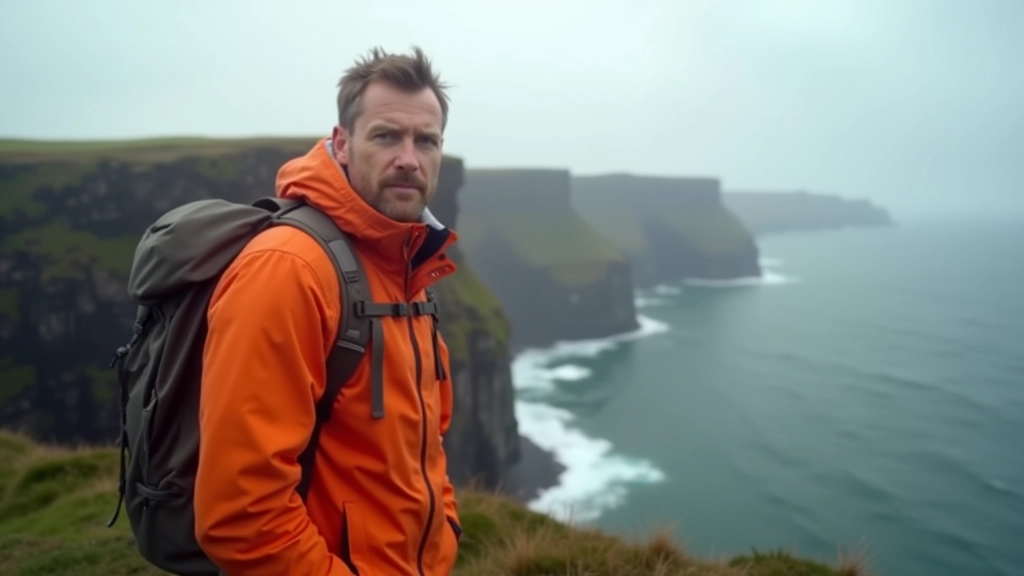
Waterproof jacket (essential), warm layer, comfortable hiking boots with ankle support, water bottle, energy snacks, sunscreen. The weather changes fast — you might experience sun and rain in the same hour. Binoculars help spot puffins and razorbills in the nesting season (April-July).
How the Cliffs Change Through the Year
Each season offers a completely different experience. We've walked this route in every month, and there's honestly no "bad" time to visit. It's just about knowing what to expect.
Spring (March-May)
Wildflowers carpet the clifftop. Nesting seabirds (puffins, razorbills, guillemots) return. Weather is unpredictable but daylight extends quickly. Crowds are manageable.
Summer (June-August)
Peak season brings crowds but guaranteed reasonable weather. Long daylight means you can walk late. Bird activity is at its height. Parking is competitive, and the path gets congested.
Autumn (September-November)
Fewer tourists. Weather becomes more dramatic. The light takes on golden tones. This is arguably the best season for photography and peaceful walking.
Winter (December-February)
Solitude. Dramatic storms. Short daylight hours limit your window. Conditions are serious — only come if you're experienced in winter walking.

Important Disclaimer
This guide provides educational information about the Cliffs of Moher walking routes. It's not a substitute for proper preparation, local guidance, or professional assessment of conditions. Weather, trail conditions, and safety requirements change regularly. Always check current weather forecasts, trail updates from official sources, and visitor centre advisories before your visit. Walkers are responsible for their own safety and should assess their fitness level and experience honestly. If you're uncertain about conditions or your ability, consult local guides or the visitor centre staff on arrival.
Make Your Visit Memorable
The Cliffs of Moher aren't just a destination — they're a genuine experience. You're standing on some of Europe's most dramatic geology, surrounded by centuries of natural history. The key to enjoying them properly is respecting what you're dealing with. Stay safe, take your time, and don't rush through. You'll see things that stay with you long after you've left Ireland.
Related Walking Guides